
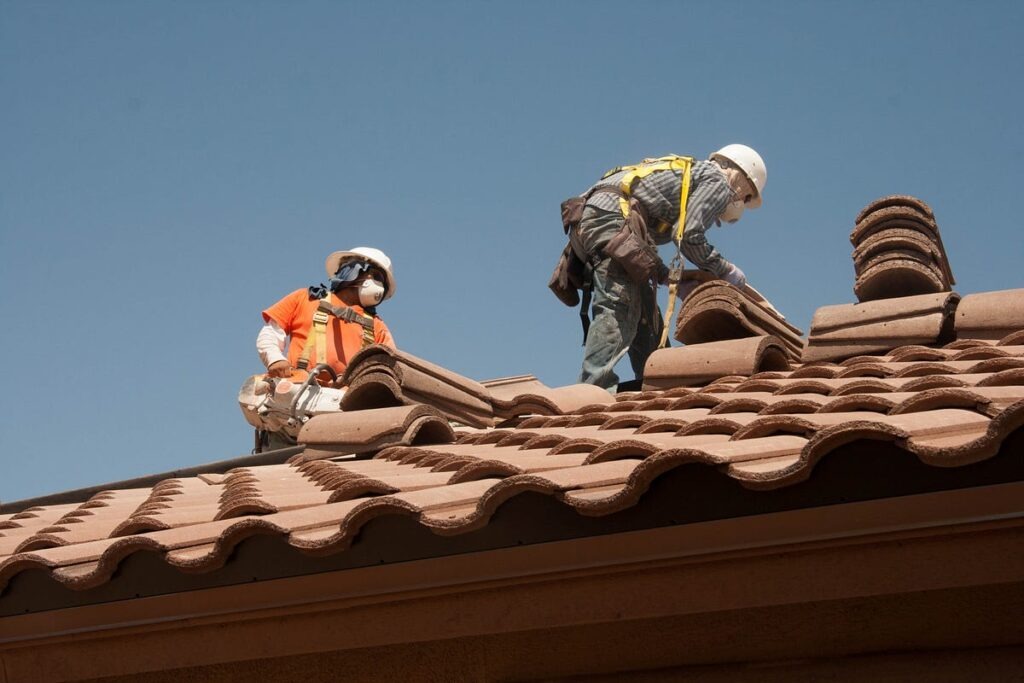
Budget Planning for Roofing in Hanover Projects
Budget planning for roofing projects in Hanover requires a thoughtful approach to ensure that expenses align with both the scope of work and quality expectations. Roofing is a significant investment, often involving various materials, labor costs, permits, and potential unforeseen repairs. To start, it is essential to assess the current condition of the roof thoroughly. This assessment helps identify whether a complete replacement or minor repairs are necessary. By understanding the extent of work required, homeowners and project managers can avoid overspending on unnecessary services or underestimating critical needs.
Material selection plays a crucial role in budgeting because it directly affects cost and durability. Hanover’s climate influences which roofing materials perform best over time; therefore, choosing options such as asphalt shingles, metal roofing, or slate should be based on long-term value rather than just initial price. Each material comes with different installation requirements and lifespans that impact overall expenses. Consulting local suppliers or contractors familiar with regional weather patterns can provide valuable insight into cost-effective choices that maintain structural integrity.
Labor costs form another significant portion of roofing budgets in Hanover projects. Skilled professionals charge rates depending on their expertise and the complexity of the job. It is advisable to obtain multiple quotes from reputable contractors to compare pricing while verifying credentials like licenses and insurance coverage. Transparent communication about project timelines and payment schedules reduces surprises during execution stages.
In addition to direct costs visit for more insights materials and labor, budget planners must account for permit fees mandated by local authorities in Hanover. These permits ensure compliance with building codes but add administrative expenses that vary depending on project size and location within the city limits. Factoring these fees early avoids delays caused by regulatory issues later in construction.
Unexpected challenges often arise during roofing projects due to hidden damage beneath existing layers or weather interruptions common in Hanover’s seasonal changes. Allocating contingency funds-typically 10% to 15% of total estimated costs-provides financial flexibility without compromising progress when additional repairs become necessary.
Effective budget planning also involves scheduling regular inspections throughout the process to monitor adherence to planned expenditures while maintaining quality standards established at project initiation stages. Documentation of all transactions ensures accountability among stakeholders involved.
Ultimately, successful budget management for roofing projects in Hanover hinges on detailed preparation combined with realistic expectations regarding costs associated with materials, labor, permits, contingencies, and oversight efforts tailored specifically for this region’s unique demands.