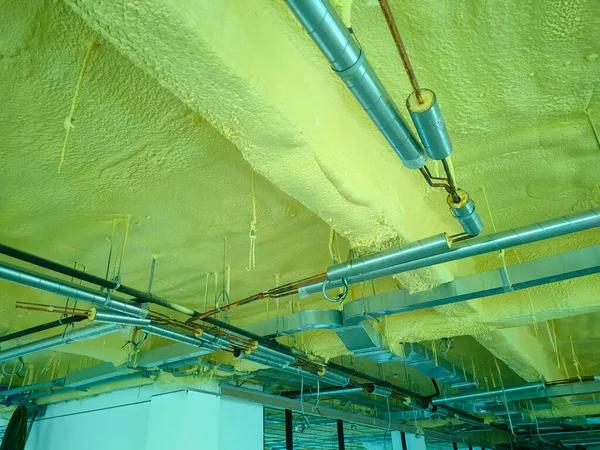
Upgrading attic insulation is a significant home improvement project that can greatly enhance both comfort and savings. Many homeowners overlook the importance of proper insulation, especially in the attic, but it plays a crucial role in maintaining an energy-efficient and comfortable living environment.
One of the primary benefits of upgrading attic insulation is improved temperature regulation within the home. During the winter months, heat naturally rises and escapes through poorly insulated attics, leading to colder indoor temperatures and increased reliance on heating systems. Similarly, in summer, inadequate insulation allows hot air to seep into living spaces, making cooling systems work harder to maintain a comfortable temperature. By enhancing attic insulation, homeowners can significantly reduce these unwanted heat transfers. This results in more stable indoor temperatures year-round without overburdening HVAC systems.
Energy efficiency is another compelling reason for upgrading attic insulation. Homes with insufficient or outdated insulation often experience higher energy bills because heating and cooling systems must operate longer to achieve desired temperatures. Improved attic insulation acts as a barrier that minimizes heat loss during winter and keeps excess heat out during summer. Consequently, less energy is required to maintain comfort levels, leading to noticeable reductions in utility costs over time.
Beyond financial savings and enhanced comfort, upgrading attic insulation also contributes positively to environmental sustainability. Reduced energy consumption means fewer fossil fuels are burned for electricity generation or heating purposes. This leads to lower greenhouse gas emissions—a critical factor in combating climate change—and promotes a more sustainable lifestyle.
Moreover, properly insulating your attic can extend the lifespan of your HVAC system by reducing its workload throughout the year. When heating and cooling units do not have to compensate for poor insulation by running constantly at high capacities, they experience less wear and tear over time. This translates into fewer repairs or replacements needed down the line—another cost-saving advantage for homeowners who invest in better-quality attic materials.
Additionally, modern advancements offer various types of insulating materials tailored specifically for different needs: fiberglass batts provide excellent thermal resistance; spray foam offers superior air sealing capabilities; cellulose made from recycled paper products provides an eco-friendly option while delivering effective performance against airflow leaks—all ensuring optimal results based on individual requirements when considering upgrades.
In conclusion: whether motivated by immediate financial incentives through reduced monthly expenses associated with utilities—or long-term goals centered around sustainability efforts aimed at preserving visit our blog planet’s resources—the decision toward improving one’s home’s existing level(s) regarding adequate coverage atop roofs should never be underestimated nor postponed indefinitely if seeking maximum benefit potential achievable today!