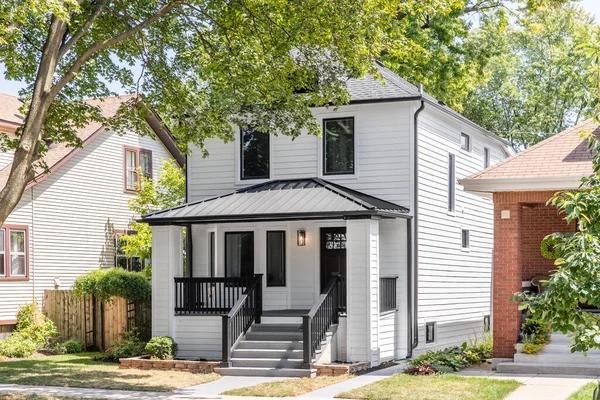
Choosing the right paint for your house repaint is a crucial decision that impacts both the appearance and longevity of your home’s finish. The process begins by considering the surface you intend to paint. Different materials, such as wood, brick, stucco, or metal, require specific types of paint formulations to adhere properly and withstand environmental conditions. For instance, wood often benefits from an oil-based or acrylic latex paint that offers flexibility and moisture resistance, while masonry surfaces might need paint designed to penetrate porous textures and resist mildew.
Next, consider the location of the painting project—whether it is interior or exterior. Exterior paints are specially formulated to endure harsh weather conditions, including UV rays, rain, and temperature fluctuations, making durability a top priority. Interior paints, however, focus read for more on finish quality, ease of cleaning, and low odor. Selecting a paint with low volatile organic compounds (VOCs) is advisable indoors to improve air quality and reduce health risks.
The finish or sheen of the paint also plays a significant role in the final look and maintenance. Flat or matte finishes are excellent at hiding imperfections on walls but tend to be less washable. Satin and eggshell finishes offer a balance of subtle shine and durability, making them versatile for most rooms. Semi-gloss and gloss paints provide a shiny, reflective surface that is easier to clean and often used on trim, doors, and kitchens or bathrooms where moisture is a concern.
Color choice is another important factor that affects the house’s curb appeal and interior ambiance. It is helpful to test paint samples on small sections of your wall and observe them under different lighting conditions throughout the day. This practice prevents surprises and ensures the color complements your home’s architectural style and surrounding environment. Additionally, some paints come with color retention technologies that help the paint maintain its vibrancy over time.
Finally, consider your budget and the reputation of the paint brand. Higher-quality paints may have a higher upfront cost but often cover better, last longer, and reduce the need for frequent repainting. Researching customer reviews and consulting with professionals can help you select a reliable product that fits your needs. Taking time to carefully evaluate these factors ensures you choose the right paint that enhances your home’s beauty and protects it for years to come.