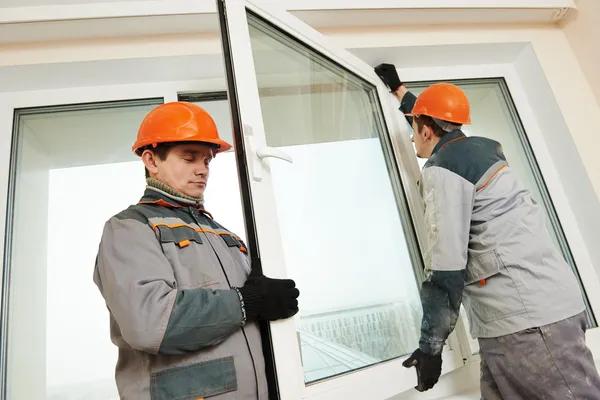
Installing impact resistant windows in homes is an effective way to enhance security, improve energy efficiency, and protect against severe weather conditions. These windows are designed with laminated glass layers that can withstand strong impacts, making them ideal for areas prone to hurricanes or break-ins. Before beginning the installation process, it is important to assess your home’s specific needs and ensure you select the appropriate window type and size. Impact resistant windows come in various styles such as casement, sliding, double-hung, and fixed panes. Choosing a style that complements your home’s architecture while meeting safety standards will provide both aesthetic appeal and functionality.
The first step in installation involves careful measurement of existing window openings go to website guarantee a proper fit. Accurate measurements help prevent gaps that could compromise the window’s effectiveness or lead to air leaks. After measuring, remove the old window carefully by detaching trim and frame components without damaging surrounding walls or finishes. It is crucial to inspect the rough opening for any signs of water damage or rot before proceeding further; addressing these issues early ensures longevity of the new installation.
Next comes preparing the opening by cleaning debris and applying flashing tape around edges to create a waterproof barrier. Proper sealing prevents moisture infiltration which could cause structural problems over time. Installing impact resistant windows requires setting them squarely into position within the prepared opening while ensuring alignment with interior surfaces for smooth operation afterward. Secure fasteners should be used according to manufacturer instructions without overtightening since this might distort frames or glass panes.
Once installed securely, seal all perimeter joints using high-quality exterior-grade caulking designed for durability under changing weather conditions. This step enhances insulation properties by blocking drafts and reducing energy loss through gaps between wall framing and window frames. Interior finishing touches include reinstalling trim pieces neatly around new units followed by painting or staining if necessary.
Testing newly installed impact resistant windows includes checking their operational mechanisms such as locks, hinges, and handles along with verifying there are no air leaks through visual inspection or simple smoke tests near edges on windy days. Regular maintenance after installation involves cleaning glass surfaces gently using non-abrasive cleaners while inspecting seals periodically for cracks or wear that might require prompt repair.
In summary, installing impact resistant windows demands attention at every stage-from selecting suitable products tailored for local climate risks through precise fitting techniques-to achieve optimal protection performance combined with aesthetic integration into your home’s design framework effectively safeguarding family members against potential hazards year-round while also contributing positively toward energy conservation goals within residential environments worldwide today.