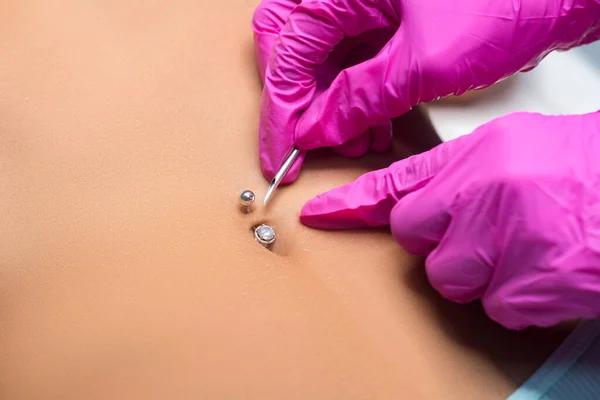
When considering a visit to a tattoo and piercing shop, understanding hygiene standards is crucial for ensuring your safety and well-being. Tattooing and piercing involve breaking the skin, which can introduce bacteria if not done under sterile conditions. Therefore, it’s essential to choose a reputable establishment that prioritizes cleanliness and follows strict hygiene protocols.
First and foremost, research the shop’s reputation. Look for reviews online or ask friends who have had positive experiences at specific locations. A well-regarded shop often adheres to stringent health regulations, reducing the risk of infections or complications.
Upon entering the shop, observe its overall cleanliness. The environment should be tidy and organized, with no signs of clutter or dirt. Pay attention to how equipment is stored; tools should be in sealed packages until they are used in front of you. This ensures they have been properly sterilized beforehand.
The staff’s personal hygiene is equally important. Artists should wear clean clothing and use disposable gloves during procedures. Gloves must be changed between clients to prevent cross-contamination.
Ensure that the artist uses sterilized needles for each client. Reusing needles poses significant health risks as it can transmit bloodborne pathogens like hepatitis B, hepatitis C, or HIV. Legitimate shops will always open new explore website needle packages in your presence.
Autoclaves are critical in maintaining hygiene standards as they use high pressure and steam to sterilize reusable equipment effectively. Ask if the studio has an autoclave machine; reputable places won’t hesitate to show you their sterilization process upon request.
In addition to equipment sanitation, surface disinfection is vital too. Workstations should be wiped down with hospital-grade disinfectants before each session starts—this includes chairs, tables where inks are placed—and any other surfaces within reach during procedures.
Another aspect worth noting involves aftercare instructions provided by artists post-procedure; these guidelines help minimize infection risks while promoting proper healing processes over time frames stipulated according based on individual needs (e.g., skin type). Clear communication regarding aftercare demonstrates professionalism from both sides involved: customer receives necessary information needed maintain optimal results long-term through diligent practice following expert advice given upfront without ambiguity present whatsoever!
Lastly but importantly: licensing matters greatly when selecting potential candidates perform desired services safely legally compliant manner possible!